How to Structure Character Cards for Your Webcomic or Dark Fantasy Novel
By Ola Oriola on , 1 min read
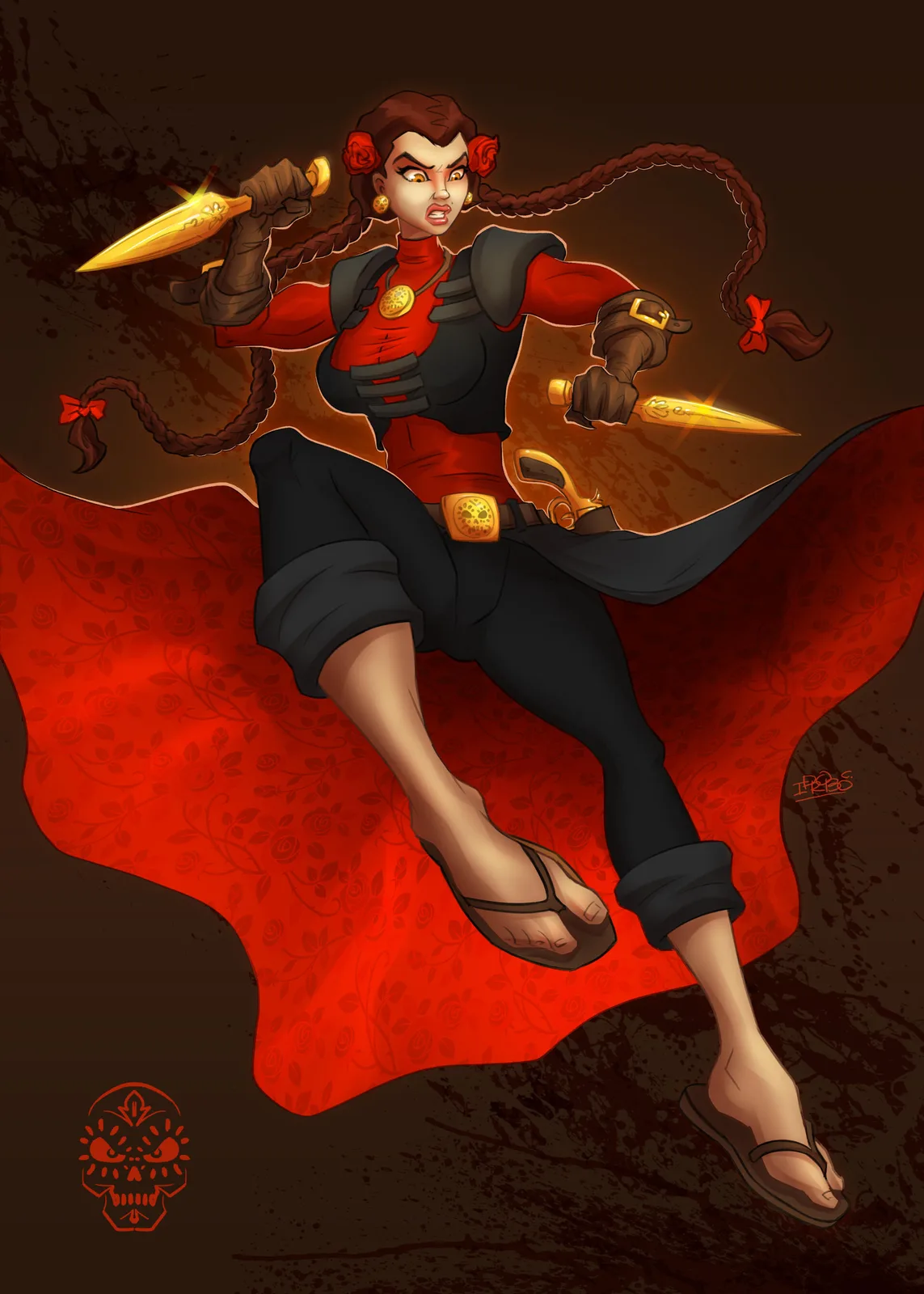
When building a universe, keeping track of your characters' origin stories, abilities, stats, and faction alignments can get chaotic fast. Whether you are prepping a webcomic, writing an indie dark fantasy, or designing a game, having structured character cards gives your readers a clean snapshot of your universe.
Here is a step-by-step guide to organizing character cards that captivate readers without overwhelming them with text blocks.
1. Start with a Strong Header & Identity
Your character's top bar should give readers instant context:
* **Full Name & Epithet:** (e.g., *Urokojin — The Thunder Judge*)
* **Role / Class:** Main Protagonist, Faction Leader, Antagonist.
* **Affiliation Tag:** Faction or realm emblem.
2. Balance Visual Focus & Core Attributes
A great card balances visual presentation with quick-scan metrics.
Keep your core stats simple:
* **Primary Stats:** Health, Power Output, Agility, Intelligence.
* **Lore Attributes:** Threat Level, Alignment, Known Location.
3. Define Abilities & Weaknesses Clear & Fast
Instead of dumping paragraphs of magic theory, group abilities into distinct tiers:
* **Passive Trait:** What is always active?
* **Active Ability:** Primary combat or story skill.
* **Ultimate / Domain:** Their peak power or unique edge.
* **Flaw / Counter:** Every compelling character needs a vulnerability.
4. Give Your Characters a Permanent Home
Static notes and image folders make sharing difficult. Having a dedicated, single link for your characters makes it easy for fans, collaborators, and readers to explore your lore in one place.
Ready to Build Your Universe?
Organize your characters, store your lore, and share your project with the world.
👉Create your free Character Card Profile on VantaOrigin "https://vantaorigin.com"